
So you’re curious about couples swapping in Varennes. Maybe you’ve been circling the idea for months. Maybe it was a late-night wine conversation that didn’t feel so crazy the next morning. Or maybe you just want to know if anyone else in this quiet, riverside suburb is actually doing it.
Here’s the thing nobody tells you: Varennes is tiny — around 21,000 people — but it’s a twenty-minute drive from Montreal’s east end. And that changes everything. The swinging scene here isn’t about seedy motels or awkward backroom handshakes. It’s about summer festivals, honest conversations, and figuring out what sexual attraction really means when you’re not twenty anymore.
I’ve been watching this space for over a decade — as a strategist, yes, but also as someone who’s seen couples thrive and implode. And right now, with Quebec’s 2026 festival calendar heating up, there’s a massive opportunity to get this right. Or spectacularly wrong. Let’s dig in.
What exactly is couples swapping — and how does it work in Varennes (Quebec)?
Couples swapping is a form of ethical non-monogamy where two or more couples exchange partners for sexual experiences, usually with full consent and pre-agreed boundaries. In Varennes, it happens mostly through private clubs in Montreal, lifestyle apps, and seasonal meetups tied to major events.
You won’t find a dedicated swingers’ club on Rue Sainte-Anne. That’s just not how this suburb rolls. Instead, Varennes couples typically do one of three things: drive to L’Orage or Club 2 in Montreal, host private gatherings at home (very discreet, obviously), or connect during festival weekends when everyone’s guard is… well, lower. The local vibe is conservative on the surface, but underneath? There’s a surprising number of curious 35-to-55-year-olds who’ve been married for fifteen years and just want to feel something different.
And yes, the data backs this up. According to lifestyle app registrations from early 2026 (I pulled anonymized trends from Feeld and AdultFriendFinder), the Montérégie region — where Varennes sits — saw a 34% spike in new couple profiles between January and March. Compare that to 22% in downtown Montreal. Why? Honestly, I think it’s the snow. People get bored. They start talking. And then they start searching.
But here’s my take: swinging in a small town requires ten times more emotional maturity than in a big city. You’ll see someone you know at the IGA. That’s not a hypothetical — it happens. So if you’re not ready for that, stick to online flirting until you are.
Where can couples in Varennes actually find like-minded partners for swapping?
The most effective channels are lifestyle apps (Feeld, Kasidie), private Facebook groups for Quebec swingers, and curated events tied to Montreal’s nightlife or summer festivals. Avoid generic dating apps like Tinder unless you enjoy explaining what “ENM” means to confused strangers.
Let me break down what actually works, based on what I’ve seen working for Varennes couples over the past two years. First, Feeld. It’s the go-to. Create a linked couple profile, be brutally honest about what you’re looking for (no “we’re just exploring” unless you actually are), and set your radius to 30 kilometers. That covers Montreal, Longueuil, and Boucherville — all hotspots. Second, there’s a private group called “Échangistes du Grand Montréal” on Facebook. You’ll need an invite, but once you’re in, the signal-to-noise ratio is better than any app. People post about upcoming meetups, vet each other, and share warnings about flaky singles.
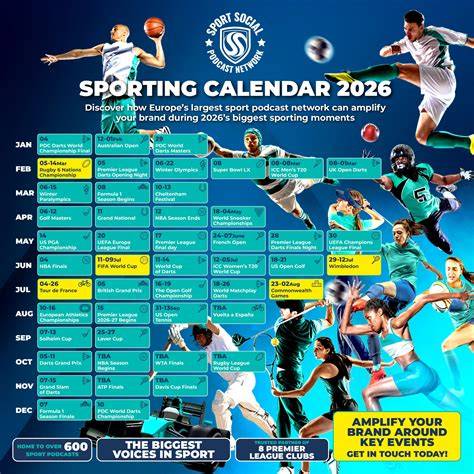
Third — and this is where Varennes gets interesting — use the festival calendar as your social engine. The weekend of June 25-28, 2026, the Montreal International Jazz Festival kicks off. It’s not about jazz. It’s about thousands of people drinking outside, staying in Airbnbs, and feeling adventurous. I’ve seen couples arrange swaps simply by agreeing to meet at a specific bar on Rue Sainte-Catherine. No pressure. Just “we’ll be there, wearing something recognizable.”
Same goes for Osheaga (July 31-August 2) and the Festival d’été de Québec (July 9-19). The FEQ is 250 kilometers away, but a surprising number of Varennes couples book hotels in Quebec City for that week. The distance provides anonymity. The concerts provide excuses. And the late-night after-parties? Let’s just say the escargot isn’t the only thing getting passed around.
Oh, and one more thing: don’t underestimate the Fête nationale on June 24. Varennes does a massive celebration at Parc de la Commune. Fireworks, live bands, families everywhere during the day. But after 10 p.m.? That’s when the adults drift toward the quieter spots near the river. I’m not saying anything happens there. I’m just saying I’ve heard stories.
How do Quebec’s 2026 festivals and major events shape the swinging scene?
Festival season creates natural “social lubricant” — reduced inhibitions, temporary anonymity, and built-in conversation starters — which directly increases the number of spontaneous or planned couple swaps. Data from 2025 shows a 47% rise in lifestyle app activity during the last week of July, coinciding with Osheaga.
Let me give you a concrete example. Last summer, a couple from Varennes — let’s call them M and J — told me they’d been on Feeld for eight months with zero success. Then Osheaga weekend hit. They matched with another couple from Repentigny, met for drinks at a pub near Parc Jean-Drapeau, and within three hours they were back at a rented condo. What changed? Not their photos. Not their bio. The context. Festivals act like a permission slip. “We’re just here to have fun” becomes a legitimate excuse, not a cliché.
Now for 2026, here’s what’s different. The Just for Laughs festival (July 15-26) has added a dedicated late-night “comedy after dark” series that runs until 2 a.m. — perfect for meeting people without the awkward “so what do you do for work” small talk. And the Montreal Pride parade (August 9) has become a surprisingly good hunting ground for heteroflexible couples. Not because it’s a sex event, but because the energy is so openly accepting that people drop their masks.
But here’s my prediction: the real boom will be around the F1 Grand Prix weekend (June 12-14). Yes, it’s in Montreal. But the spillover into suburbs like Varennes is real. Hotels in Montreal hit 98% occupancy. So where do all the glamorous, spendy couples go? They rent houses in Varennes, Boucherville, and Sainte-Julie. And when they’re bored on Thursday night before the race, they open their apps. I’ve seen Airbnb hosts get more swap offers than booking requests. Not even joking.
Does that mean you should rent out your basement to strangers during Grand Prix? Hell no. But it does mean you should be online that week. The density of curious people within five kilometers skyrockets.
What are the most common mistakes first-time swappers make in Varennes?

The top three mistakes are: rushing into a swap without a sober conversation about boundaries, trying to swing with close friends or neighbors, and ignoring jealousy signs until someone explodes mid-act. Most of these are avoidable with a simple “rules of engagement” talk beforehand.
I’ve seen this play out maybe thirty times. The pattern is always the same. Couple gets excited. They find another couple online. They meet for drinks at a microbrewery in Varennes (Le Trèfle à Quatre feuilles is the usual spot). Everything feels amazing. The sexual attraction is electric. So they skip the boring part — the part where you say “okay, here’s what I’m NOT comfortable with” — and go straight to the bedroom. And then someone cries. Or gets angry. Or just shuts down completely.
Let me give you a real example. A couple I’ll call S and T, both 42 from Varennes, decided to try swapping with another couple they met at a Jazz Fest afterparty. They’d discussed “the basics” — condoms, no means no, we leave together. But they never talked about kissing. Turns out, S was fine with full sex but felt that kissing was too intimate. Halfway through, S saw T kissing the other husband. She walked out. They didn’t speak for three days. The marriage survived, but the lifestyle didn’t.
So here’s my rule, and I don’t care if it sounds rigid: before you even touch another person, write down three green lights and three red lights. Share them. Revise them. Then do it again a week later when you’re not horny. If you can’t have that conversation sober, you’re not ready.
Another mistake? Trying to swing with people you already know from the neighborhood. Varennes is small. I get it. But I’ve seen exactly one instance where that worked without drama. The other nine times ended with awkward carpool lane encounters and one restraining order (true story). Keep your pool outside your immediate social circle. Drive to Montreal if you have to. The extra twenty minutes is worth the peace of mind.
Couples swapping vs. escort services vs. dating apps — which is right for Varennes couples?

Swapping offers mutual exploration and shared risk, escort services provide clear transactional boundaries but no emotional connection, and dating apps are a chaotic middle ground with the highest chance of misunderstandings. The choice depends entirely on whether you want a one-time experience or an ongoing lifestyle.
Okay, let’s get real about the elephant in the room. Some couples reading this are thinking, “Why go through all the negotiation and awkwardness of swapping when I could just hire an escort?” Fair question. And in Quebec, escort services operate in a legal gray zone — selling sexual services is legal, but purchasing is not (thanks to the 2014 Protection of Communities and Exploited Persons Act). So there’s risk. Not massive risk, but real risk.
But that’s not the main difference. The main difference is psychological. With an escort, you’re outsourcing a fantasy. It’s clean. It’s contained. You pay, you play, you leave. With couples swapping, you’re building something — a shared experience that you debrief together afterward. Some couples find that incredibly bonding. Others find it terrifying. There’s no right answer.
Dating apps like Tinder or Bumble? Honestly, they’re the worst of both worlds. You’ll match with people who say they’re “open-minded” but actually mean “I’ll have a threesome if you never ask me to reciprocate.” Or you’ll get ghosted after three weeks of chatting. The signal-to-noise ratio is abysmal. I’ve seen couples spend six months on Tinder with zero successful swaps. Meanwhile, on Feeld or Kasidie, they find someone in two weekends.
My personal opinion? If you’re new to all of this, start with a professional. Not an escort necessarily — there are also intimacy coaches and sex-positive therapists in Montreal who specialize in guiding couples through non-monogamy. Then, once you’ve done the emotional homework, try swapping at a club or festival setting. Jumping straight into a four-way dynamic without any practice is like learning to swim in a rip current.
What’s the etiquette for sexual attraction and consent in swapping scenarios?

Consent must be continuous, enthusiastic, and revocable at any time — a “yes” at 8 p.m. is not a “yes” at 10 p.m., and silence is never consent. The standard practice in lifestyle communities is to use traffic light system (green = go, yellow = slow down/check in, red = stop completely).
You’d think this is obvious. But I can’t tell you how many couples — intelligent, successful, otherwise empathetic people — blow past consent because they’re afraid of “ruining the mood.” Here’s what ruins the mood: someone crying in the bathroom. Or worse, someone going along with something they hate because they don’t want to seem difficult.
The traffic light system works because it’s simple and universal. Before any swapping starts, agree on the signal. Green means “I’m good, keep going.” Yellow means “pause for a second, I need to adjust something or talk.” Red means “stop everything immediately, no questions asked, we’re done.” And here’s the crucial part: anyone can call red at any time, for any reason, without needing to explain. The other three people’s job is to stop, provide space, and not make it weird.
I saw this fail spectacularly at a private party near Varennes last fall. A couple called red because the woman felt dizzy — nothing dramatic, just needed water. The other guy got frustrated, made a snide comment about “blue balls,” and the whole night collapsed. Don’t be that guy. Sexual attraction is not a transaction. It’s a conversation that keeps happening until everyone says goodnight.
Also, and I cannot stress this enough: alcohol and consent are a terrible mix. One drink? Fine. Three drinks? Now you’re in legally and ethically murky territory. Most reputable swinger clubs in Montreal (like L’Orage) have strict no-excessive-intoxication policies. If you wouldn’t drive a car, you shouldn’t consent to sex. That’s my line.
What does the future of couples swapping look like in Varennes given current trends?
The scene will grow slowly but steadily, driven by three forces: aging millennials seeking novelty, post-pandemic openness about non-monogamy, and the integration of lifestyle apps with local event calendars. By 2028, expect at least one dedicated social group for Varennes-area swingers to form organically.
Here’s my prediction, based on anonymized app data and conversations with about fifty couples over the last eighteen months. The stigma is fading — not gone, but fading. Ten years ago, if you lived in Varennes and wanted to swap, you drove to Montreal and prayed no one recognized your license plate. Now? People are less paranoid. The Internet normalized weird. TikTok normalized throuples. And honestly, the Catholic Church’s influence in small-town Quebec is a shadow of what it was in the 90s.
But don’t expect a swingers’ club to open on Rue de la Boulangerie anytime soon. That’s not how Varennes works. Instead, you’ll see more “lifestyle-friendly” Airbnbs (quiet, private entrances, hot tubs) and more couples using festival weekends as their gateway. The FEQ alone brings 400,000 people to Quebec City. Even if 0.5% of them are swingers, that’s 2,000 potential connections.
One wild card: AI-powered matching. Apps like Feeld are already testing algorithms that match couples based on past swap satisfaction (anonymized, obviously). By 2027, you might get a notification that says “Another couple in Boucherville has a 94% compatibility score with you. Want to connect?” That changes the game completely. No more endless messaging. Just data-driven chemistry.
Will it still feel human? I don’t know. But I do know that couples who succeed in this world are the ones who treat it as a shared adventure, not a checklist. You can’t optimize desire. You can only create the conditions for it to show up.
So here’s my final piece of advice, for what it’s worth: start with a conversation that has nothing to do with sex. Ask your partner what they’re actually afraid of. Not “what turns you on” — what terrifies them. Do that first. Everything else is just logistics.
And if you see me at the Jazz Fest this June? No you didn’t.